

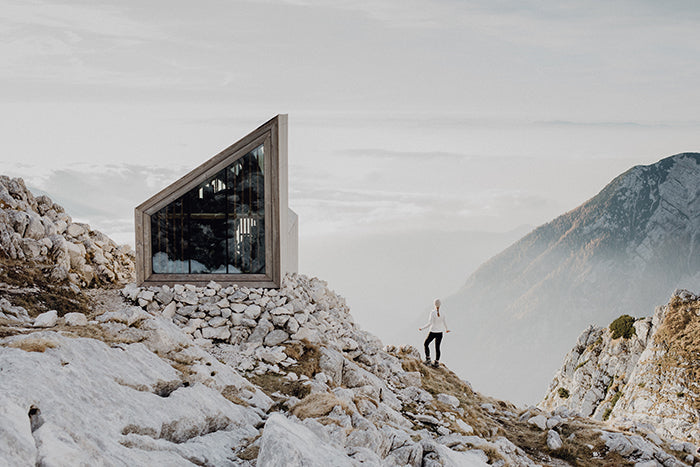
Europe is often categorically underestimated, I'm convinced of that, and admittedly, I include myself in that assessment. But why?
According to my old Diercke school atlas, our beautiful continent stretches from subpolar in the north to subtropical in the south. We have so many mountain ranges and volcanic regions, both active and inactive, that there's something for every rock enthusiast. The flora and fauna are equally spectacular and far too often overlooked when planning a trip. So, if you're a travel and outdoor enthusiast, there's no reason to leave the continent when planning your holidays for the next few years.
If you were to unleash young media, culture, and demography students with microphones on passersby in the pedestrian zones of the world and ask them about the top travel destinations in Europe, I am very sure that this list would consist of major cities and historically important places, such as castles and palaces.
Why does Europe seem to be systematically underestimated as an outdoor and nature travel destination? Perhaps we Europeans invest too little in the corresponding marketing, because we certainly don't lack beautiful nature and breathtaking spots on Earth.
I grew up in the heart of Europe myself, and I must say, I've always been drawn to distant places. After many trips to every continent of our wonderful planet, I can say – for myself – that Europe has nothing to hide when it comes to natural beauty. I first became aware of this when I hiked the Queen Charlotte Trail in New Zealand with a Swiss man, and he repeatedly said that it "looks like Switzerland, only by the sea."
As I said, the marketing could be improved, so sometimes you just have to go out and see for yourself. Ideally, you know a like-minded outdoor enthusiast with whom you can share experiences and plan new adventures. The wild, authentic Europe isn't in every guidebook yet, and there are still some real hidden gems off the beaten track.

My friend Maria is such an enthusiast and also a real outdoorsy person. A few weeks ago, Maria told me that she was planning her next hiking trip. I was really curious to know where she was going.
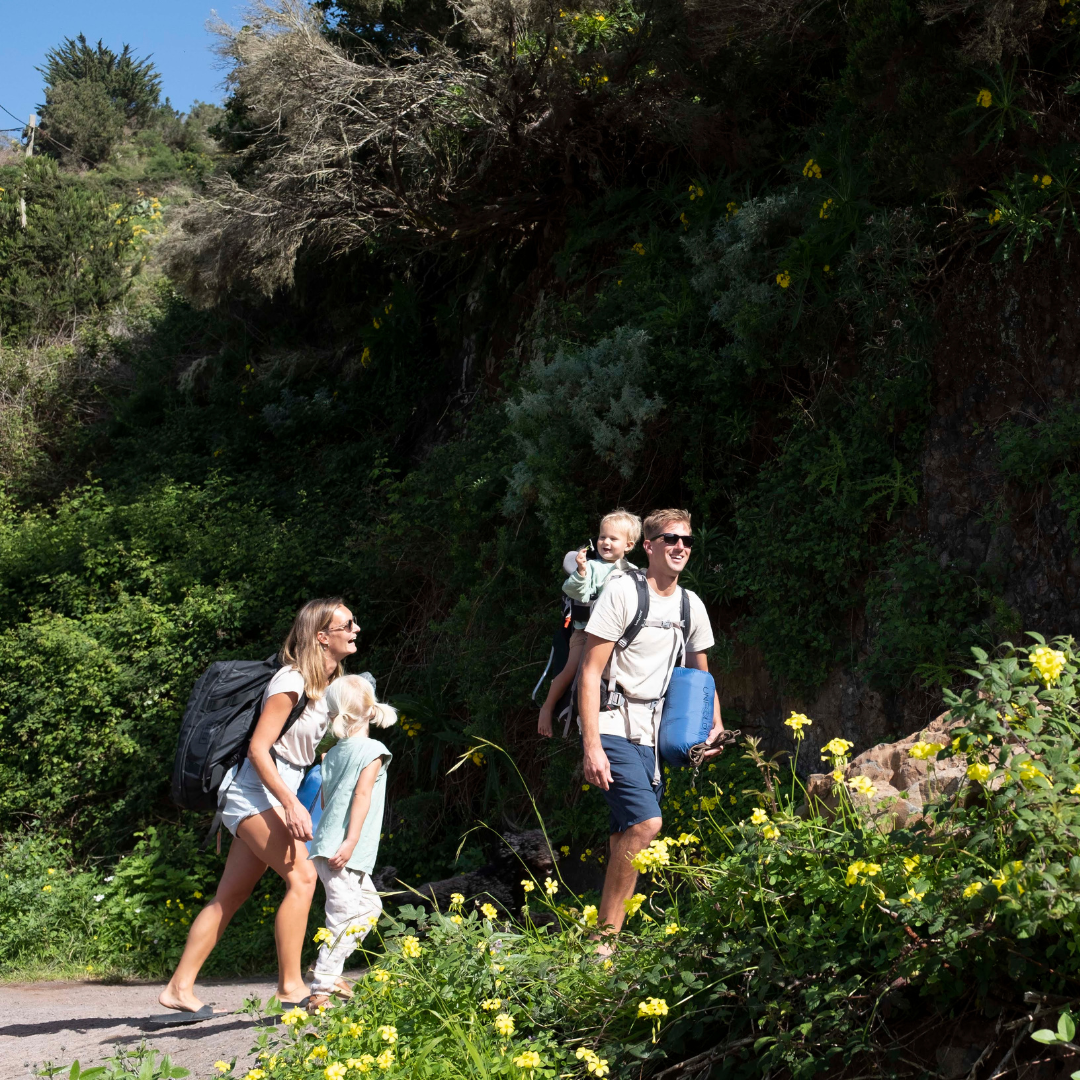
Maria and her family are from Germany and currently live in Austria. Together with her husband Paul, and sometimes with their daughter, they travel to special places in Europe. As a passionate photographer, she captures these destinations with a trained eye. Although her focus is on wedding photography, her travelogues are my personal highlights. Her eye for detail was also evident on her last trip. When she sent me a photo of the place she was planning to visit next, it blew me away.

Thanks to the wonderful location of their current home in Austria, Maria and Paul are often out in the mountains. They undertake many hiking tours, including day trips and multi-day hut-to-hut hikes.
Our last trip was to Slovenia. A country I'd briefly visited with my family once before, and even then I got the impression that we deserved to pay more attention to this small country. Many Germans know Slovenia as a short transit point on the way to Croatia. We had the opportunity to experience it on our way from Austria to Italy and spent a few lovely autumn days there. So I was quite excited when Maria told me they had planned a hiking trip in the Kamnik-Savinja Alps.
The destination of this tour was a bivouac of a special kind: a modern mountain hut in the middle of the mountains, a refuge for all those willing to undertake the ascent of approximately 1500 meters in altitude and the many kilometers on foot.
Maria and Paul, along with several other hikers, used the shelter to spend the night and, after a unique sunrise, began their return journey the following day. The bivouac cannot be booked as a shelter, and there is no officially marked trail leading directly to it.
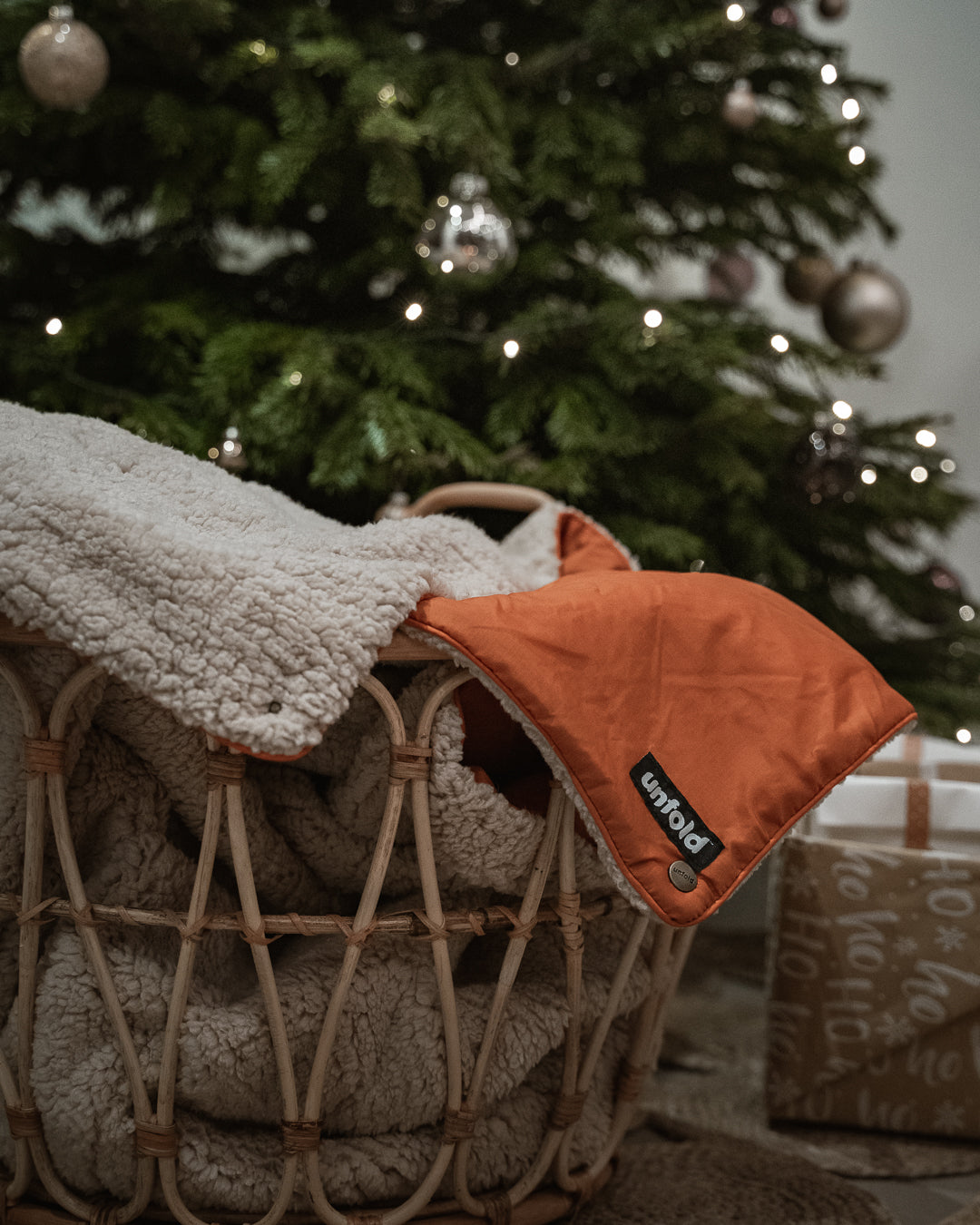
For such excursions, theUNFOLD blanket is the perfect companion, and Maria took it with her on this adventure. She carried it in her hiking backpack all the way to the foot of Mount Skuta to use as a sleeping bag for the night in the mountains. Thanks to its small pack size, the blanket can be easily stowed in the bottom compartment of a backpack. The included compression sack makes it even more compact. Its light weight and versatility—for example, as a picnic blanket during a break—are key features of this sustainable blanket.
Maria has written about her experiences with her new favorite blanket and how her night went using it as a sleeping bag in her blog post. Here you'll also find more information about overnight stays in this special mountain shelter and other great posts with fantastic pictures from Slovenia and many other enchanting corners of Europe.

Leave a comment
This site is protected by hCaptcha and the hCaptcha Privacy Policy and Terms of Service apply.